Sunday night. The week stretches ahead of you. You know, with complete certainty, that you need to pack a lunch for school every single day this week, and yet you are sitting here with not a single idea in your head. You packed peanut butter and jelly last week. And the week before. The week before that it was plain cheese sandwiches, which were reportedly acceptable on Monday but “gross” by Wednesday, a development that baffled everyone including the cheese.
School lunch packing is a specific kind of creative problem that nobody warns you about when you become a parent. It’s not just about nutrition, though that matters. It’s about food that travels well. Food that can be eaten cold. Food that can be eaten in seventeen minutes, sometimes less, in a loud cafeteria with friends to talk to and approximately zero interest in sitting quietly and chewing. Food that will not come home in the lunch box still fully intact, which is what happens when you pack something that sounded good to you but has never once appealed to your child.
Here is what actually works: familiar food in interesting forms, finger food that’s fun to eat, combinations that let kids have some control over what goes in their mouth, and enough variety that Monday through Friday doesn’t feel like the same lunch on a loop.
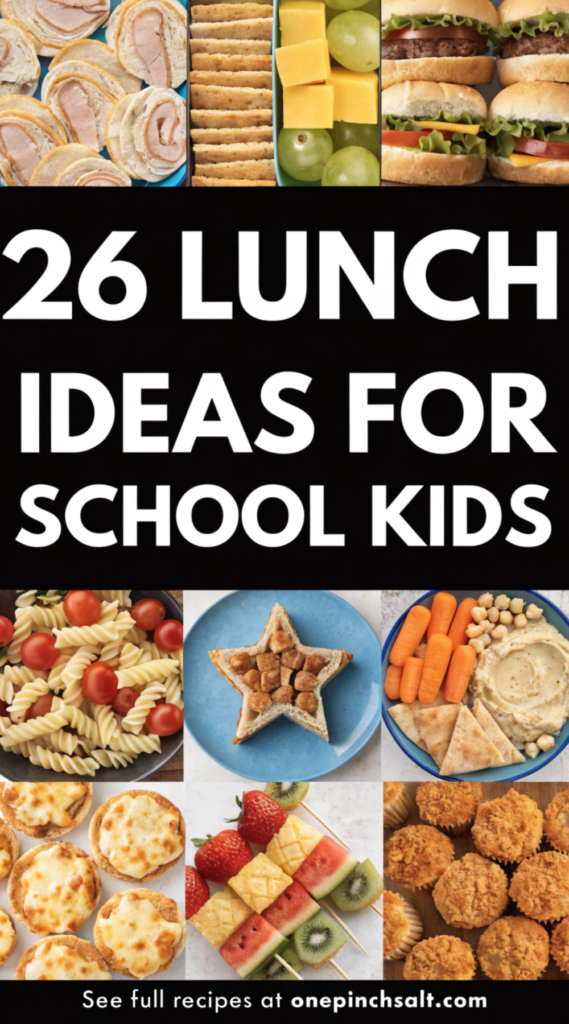
These 26 lunches have been road-tested by real children with real opinions, which is to say, with no patience whatsoever for anything they’ve decided they don’t like. They pack well, travel well, and come home as an empty lunch box rather than as a passive-aggressive statement about your meal choices.
1. Classic Turkey and Cheese Roll-Ups
The sandwich reinvented. When you take the exact same ingredients that go into a turkey and cheese sandwich and roll them in a tortilla instead of putting them between two slices of bread, something psychological shifts. It’s the same food in a different format, and kids who refuse sandwiches will frequently eat roll-ups without complaint. Nobody fully understands why. It works anyway.
What You’ll Need (serves 1):
- 1 large flour tortilla or whole wheat wrap
- 3-4 slices deli turkey
- 2 slices cheddar or Swiss cheese
- 1 tablespoon cream cheese or hummus (spread on the tortilla as a binder)
- Optional additions depending on what your child accepts: shredded lettuce, sliced cucumber, thin tomato slices, avocado strips, spinach leaves
How to Make It:
Spread a thin layer of cream cheese or hummus across the entire surface of the tortilla, which helps the roll hold its shape and adds flavor. Layer the turkey and cheese slices across the center half. Add any acceptable vegetables. Roll tightly from one side, pressing firmly as you go.
Slice into rounds if you want pinwheels, which often gets a better cafeteria response than a whole rolled tortilla. Or slice in half diagonally. Wrap in parchment paper and pack in the lunch box.
The lunch box principle at work: Same proteins and dairy as a standard sandwich. Different format, different texture, dramatically different reception. The roll-up is also more compact, less likely to get squashed in a backpack, and easier to eat quickly in a noisy cafeteria.
2. Bento Box with Crackers, Cheese, Fruit, and Protein
The bento box is the lunch box strategy, not just a recipe. When you put multiple small things in separate compartments instead of one main dish, the overall acceptability of the lunch increases dramatically. Kids who would refuse a composed meal will happily work their way through a series of small items, eating their favorites first and getting to the less beloved options when hunger has reduced their negotiating position.
What You’ll Need (serves 1):
- Compartment 1: 6-8 whole grain crackers
- Compartment 2: 2-3 cubes of cheddar or string cheese pulled apart
- Compartment 3: a handful of grapes, strawberries, or apple slices
- Compartment 4: a protein element: 2 hard-boiled egg halves, rolled turkey slices, or a small container of hummus
- Optional compartment: a small treat, 2 squares of dark chocolate, a few animal crackers, or 3-4 mini pretzels
How to Make It:
Assemble the components in a divided lunch container the evening before. The key is the divided container, which prevents everything from touching (a significant concern for many children) and makes the lunch feel fun and interactive.
Cut apple slices toss them in a small amount of lemon juice to prevent browning. Refrigerate the whole assembled box overnight.
The bento approach requires no cooking, can be assembled in five minutes, and produces a complete, balanced lunch that covers protein, dairy, whole grains, and fruit in one neat box.
3. Mini Sandwiches on Slider Buns
Everything about a mini sandwich is more appealing to children than a full-size sandwich. The smaller bread-to-filling ratio. The fact that it takes several bites rather than many. The way it fits entirely in a small hand. This is the lunch box truth that slider buns solved.
What You’ll Need (serves 1):
- 2-3 slider buns or dinner rolls
- 3-4 oz of filling: turkey, ham, tuna salad, egg salad, or peanut butter and banana
- Cheese slices cut to fit the rolls
- Optional: thin cucumber slices, spinach leaves, a small amount of condiment
How to Make It:
Split the rolls. Layer the filling and cheese. Add any acceptable toppings. Press the tops back on.
Pack in a container that keeps them from getting squashed. The slight squashing that inevitably happens from being in a backpack actually makes the buns softer and the sandwich more unified, which many children prefer to the structural integrity of a fresh sandwich.
4. Pasta Salad
Cold pasta salad is one of the most reliable school lunch options in existence. It travels perfectly, requires no reheating, stays good for three to four days in the fridge meaning you can make a big batch on Sunday, and can be customized completely to whatever a specific child will eat. This is the base recipe with a classic mild dressing and the most universally accepted add-ins.
What You’ll Need (serves 4-5 lunchboxes):
- 2 cups fusilli, penne, or rotini pasta, cooked and cooled
- 1/2 cup cherry tomatoes, halved
- 1/2 cup cucumber, diced small
- 1/2 cup black olives, halved (optional)
- 1/2 cup cubed mozzarella or cheddar
- 1/4 cup diced salami or ham (optional)
- 2-3 tablespoons shredded Parmesan
For the Dressing:
- 3 tablespoons olive oil
- 2 tablespoons red wine vinegar or lemon juice
- 1 teaspoon honey
- 1/2 teaspoon Italian seasoning
- 1/2 teaspoon garlic powder
- Salt and pepper to taste
How to Make It:
Cook the pasta until tender. Drain, rinse with cold water to stop cooking and cool down, and drain well again.
Whisk together all dressing ingredients. Combine the pasta with all the add-ins and toss with the dressing. Refrigerate.
Portion into individual containers each morning. The pasta salad improves over the first 24 hours as the flavors absorb into the pasta. By day two, it’s better than day one.
For picky eaters: Keep the pasta plain with just olive oil, Parmesan, and a very small amount of Italian seasoning. No vegetables touching anything. Pack cherry tomatoes on the side. The pasta still gets eaten.
5. Peanut Butter and Banana on Whole Grain
The classic, elevated. Peanut butter and jelly is a fine lunch. Peanut butter and banana on good bread is a better one, because the banana adds natural sweetness and actual nutrients, and the whole grain bread provides fiber and slow-releasing carbohydrates that keep blood sugar stable through the afternoon, which is relevant to any parent who has picked up a child who ate only processed sugar at lunch.
What You’ll Need (serves 1):
- 2 slices whole grain bread (read the label: whole grain flour should be the first ingredient)
- 2 tablespoons natural peanut butter (or sunflower seed butter for nut-free schools)
- 1/2 ripe banana, sliced
- Optional: drizzle of honey, sprinkle of cinnamon, a few dark chocolate chips pressed into the peanut butter
How to Make It:
Spread peanut butter generously on both slices of bread. Layer banana slices on one side. Drizzle honey if using. Press the slices together. Cut into whatever shape produces the best results for your particular child: triangles, rectangles, or dinosaur shapes if you own a cookie cutter and have a child who responds to this strategy.
Wrap in parchment or a sandwich bag. The banana keeps the sandwich from feeling dry and holds well in the lunch box for several hours without browning significantly when enclosed.
6. Hummus and Veggie Dippers
This is the school lunch for the child who has decided they don’t eat sandwiches anymore, a phase that begins suddenly and without warning. A pot of hummus surrounded by dippable things: carrots, cucumber slices, bell pepper strips, whole grain pita triangles, and a handful of crackers. It’s interactive, it’s colorful, and kids who wouldn’t eat a carrot in any other context will absolutely eat a carrot if it can be dipped in something.
What You’ll Need (serves 1):
- 3 tablespoons hummus (store-bought is fine; check ingredients for simplicity)
- 4-5 baby carrots
- 4-5 cucumber slices
- Strips of yellow or red bell pepper
- Small whole grain pita, cut into triangles
- Optional: a few olives, cherry tomatoes, whole grain crackers
How to Make It:
Put the hummus in a small lidded container to prevent spillage. Pack the vegetables and pita triangles in the main compartment of the lunch box. Keep everything cold with an ice pack.
The dipping mechanic is the key. Dipping engages children in eating the way that simply placing food in front of them doesn’t. The hummus provides protein. The vegetables provide fiber and vitamins. The pita provides carbohydrates. This is a complete lunch hidden inside a snack aesthetic.
7. Cheese Quesadilla Wedges
A quesadilla made the night before, allowed to cool completely, sliced into wedges, and packed cold travels surprisingly well and is often more enthusiastically received than a sandwich. It’s warm cheese in a crispy tortilla, which is a flavor combination that has very few detractors among children.
What You’ll Need (serves 1):
- 1 large flour tortilla
- 1/2 cup shredded cheddar or Mexican blend cheese
- Optional protein addition: 1/4 cup shredded chicken or black beans mixed with cheese
- Dipping sauce on the side: mild salsa, sour cream, or ketchup
How to Make It:
Cook the quesadilla in a dry skillet or pan over medium heat. Place the tortilla flat, add cheese to one half, fold in half. Cook for 2-3 minutes per side until golden and the cheese is fully melted. Transfer to a cutting board and let cool completely. Slice into wedges.
Pack in a container, with the dipping sauce in a small separate container alongside.
The quesadilla is better at room temperature or cold than many adults expect. The cheese solidifies slightly, which makes the wedges structurally stable and easy to eat. Most children prefer it to a hot, floppy version anyway.
8. Tuna Salad on Crackers
Tuna salad is protein-dense, quick to make, beloved by many children, and completely ignored by others. If yours falls in the first camp, this is one of the best school lunches you can pack. Served on crackers rather than in a sandwich, it stays crisp and travels without getting soggy.
What You’ll Need (serves 1):
- 1 can (5 oz) tuna in water, drained very well
- 1.5 tablespoons mayonnaise
- 1 teaspoon Dijon mustard (optional)
- 1 teaspoon sweet pickle relish
- Salt and pepper
- Whole grain crackers or rice crackers for serving
- Optional: small cucumber slices or celery sticks alongside
How to Make It:
Combine the drained tuna with mayonnaise, mustard, relish, salt, and pepper. Mix well. Pack in a small sealed container. Pack the crackers separately in a bag or compartment to keep them crisp.
At lunchtime, the child spreads the tuna onto the crackers themselves, which gives them a degree of control over the proceedings and makes the lunch interactive. Children are significantly more likely to eat something they assembled themselves, even partially.
9. Mini Caprese Skewers
The lunch that generates the most “wait, I can pack that?” reactions. Small wooden skewers threaded with cherry tomatoes, mozzarella balls, and fresh basil, with a small container of balsamic glaze or olive oil for dipping. It’s colorful, fun to eat, requires no bread, and the skewer format makes vegetables dramatically more interesting than they would be sitting in a pile.
What You’ll Need (serves 1):
- 8-10 cherry tomatoes
- 8-10 small fresh mozzarella balls (ciliegine or bocconcini)
- Fresh basil leaves (optional, depending on acceptance)
- Small wooden skewers or toothpicks
- Small container of balsamic glaze or olive oil with a pinch of sea salt
How to Make It:
Thread alternating tomatoes, mozzarella balls, and basil leaves onto small skewers. Lay in a container. Pack the dipping sauce alongside.
The skewer format makes this feel like party food rather than a vegetable serving, which is entirely the point. Add a few whole grain crackers alongside for carbohydrates.
10. Egg Salad in a Wrap
Egg salad is creamy, mild, filling, and one of the most consistently accepted protein-based sandwich fillings among school-age children. In a wrap rather than bread, it stays contained, doesn’t get soggy as quickly as between two slices of bread, and is easier to eat quickly.
What You’ll Need (serves 1):
- 3 hard-boiled eggs, peeled and chopped
- 1.5 tablespoons mayonnaise
- 1/2 teaspoon Dijon mustard
- Salt and pepper
- 1 large flour or whole wheat tortilla
- Shredded lettuce or spinach (optional)
- Sliced cucumber (optional)
How to Make It:
Mash the eggs with the mayonnaise, mustard, salt, and pepper until creamy but still slightly textured, not completely smooth. Spread across the center of the wrap. Add any accepted vegetables. Roll tightly and slice in half. Wrap in parchment paper.
Refrigerate overnight. The egg salad holds well for 24 hours in the wrap without making the tortilla soggy, which gives you the option of packing it the night before.
11. Sunflower Seed Butter and Jelly (For Nut-Free Schools)
The nut-free school lunch equivalent of a PB&J that actually delivers on flavor. Sunflower seed butter has a toasty, rich flavor that’s different from peanut butter but genuinely delicious in its own right, and many children who try it become devoted fans. Use real fruit jam with minimal added sugar.
What You’ll Need (serves 1):
- 2 slices whole grain bread
- 2 tablespoons sunflower seed butter (SunButter or equivalent)
- 1.5 tablespoons fruit jam or preserves (look for one where fruit is the first ingredient)
- Optional: sliced banana inside, honey drizzle
How to Make It:
Spread sunflower seed butter on one slice, jam on the other. Press together. Cut. Pack.
One note: sunflower seed butter reacts with baking soda and baking powder in some breads and can turn the surrounding bread slightly greenish, which is completely harmless but occasionally alarming to children. Using real whole grain bread with minimal leavening agents prevents this entirely. Just something to know.
12. DIY Lunchables (Homemade and Actually Good)
Commercial Lunchables are processed food disguised as a fun activity. The concept is brilliant: individual compartments with things to assemble yourself. The execution involves processed cheese product, crackers that taste of cardboard, and meat products with an ingredient list longer than most recipes. The homemade version takes the concept and uses real food.
What You’ll Need (serves 1):
- 6-8 whole grain round crackers
- 2-3 slices real deli ham or turkey, cut or folded to fit
- 2-3 slices real cheddar or Colby cheese, cut to cracker size
- A small section each: grapes, carrot sticks, cherry tomatoes
- Small treat: 2 squares dark chocolate or 3-4 animal crackers
How to Make It:
Arrange everything in a divided container. The assembly mechanic is the same as a Lunchables, which is the entire point. The child stacks their own crackers with meat and cheese. The process of building the bite is part of the appeal.
This takes four minutes to assemble the night before. The difference in quality between homemade and commercial is significant. The experience for the child is identical.
13. Rice and Chicken Bowl (Packed Cold)
A small container of white rice topped with seasoned chicken and mild vegetables, packed cold with a soy-honey drizzle sauce on the side. Many children who eat teriyaki or similar flavors at dinner will eat the same thing cold for lunch, particularly if the components are kept simple and the sauce is on the side.
What You’ll Need (serves 1):
- 1/2 cup cooked white rice
- 1/3 cup cooked chicken, sliced or shredded (leftover from dinner works perfectly)
- A few pieces of cooked broccoli or edamame (optional)
- 1 tablespoon soy sauce mixed with 1 teaspoon honey and a drop of sesame oil, packed in a tiny container
- Optional: sesame seeds sprinkled on top
How to Make It:
Pack the rice in the bottom of a container. Place the chicken on top. Add any vegetables. Seal the sauce separately.
Leftover strategy: whenever you make teriyaki, stir-fry, or any chicken and rice dinner, portion a child-size serving before adding heavy sauces and pack it for tomorrow’s lunch. This approach costs zero additional cooking time and produces a genuinely good lunch.
14. Mini Pizza on English Muffins (Made Ahead)
Personal pizza is universally loved by children. The English muffin format creates individual, perfectly portioned pizzas that can be made in twenty minutes, cooled, and packed cold. They taste good at room temperature, which is the requirement for any school lunch.
What You’ll Need (serves 2):
- 2 whole wheat English muffins, split into 4 halves
- 4 tablespoons pizza sauce or marinara
- 1 cup shredded mozzarella
- Toppings: pepperoni, sliced olives, diced bell pepper, whatever your child accepts
How to Make It:
Preheat oven to 400°F. Lay the muffin halves cut-side up on a sheet pan. Spread a tablespoon of sauce on each. Add cheese and toppings. Bake for 8-10 minutes until the cheese is melted and beginning to bubble.
Let cool completely, at least 30 minutes. Pack in a container, two halves per child. Include a small container of extra marinara for dipping if your child is a dipper.
The cool English muffin pizza is somehow satisfying in a way that feels more intentional than accidentally cold pizza. Children eat it reliably.
15. Cheese and Turkey Pinwheels
The pinwheel format, a large tortilla rolled with filling and sliced into rounds, is the lunch format that photographs beautifully, which matters not at all, and also happens to be one of the most universally accepted presentations for children who resist standard sandwiches. The cross-section reveals the filling attractively. The rounds are fun to eat. They require zero assembly at lunchtime.
What You’ll Need (serves 1):
- 1 large flour tortilla
- 2 tablespoons cream cheese, softened
- 3-4 slices deli turkey
- 2 slices cheddar or provolone cheese
- Optional: shredded lettuce, spinach, thin cucumber strips, avocado
How to Make It:
Spread cream cheese evenly across the entire tortilla surface. Layer turkey slices, then cheese, then any accepted vegetables across the lower two-thirds of the tortilla. Starting from the bottom edge, roll tightly and firmly. Wrap the roll in plastic wrap and refrigerate for at least 30 minutes, which firms it up and makes slicing clean.
Slice into rounds about an inch thick. Pack flat in a container.
The cream cheese acts as the binder that holds the whole thing together and prevents unrolling at lunchtime, which is the structural failure that plagued the early roll-up concept.
16. Fruit Kabobs with Yogurt Dip
Fruit is accepted at lunch by virtually every child. Fruit on a skewer with a container of yogurt for dipping is accepted enthusiastically, because the skewer format makes it fun and the dipping makes it interactive. This is the lunch that gets eaten first, which is slightly backwards from a nutritional standpoint but perfectly acceptable in practice.
What You’ll Need (serves 1):
- 1/2 cup strawberries, halved
- 1/2 cup grapes
- 1/2 cup pineapple chunks
- 1/4 cup honeydew or watermelon cubes
- 2-3 tablespoons vanilla Greek yogurt for dipping
- Small wooden skewers
How to Make It:
Thread the fruit onto small skewers in alternating colors. Lay in a container. Pack the yogurt dip in a small separate container alongside.
A complete fruit serving in a format that children actively want to eat. Pair with a protein element (roll-up, crackers and cheese, or hard-boiled egg) for a balanced lunch.
17. Macaroni and Cheese in a Thermos
Hot macaroni and cheese at lunch requires a wide-mouth thermos, which is the one piece of lunch equipment that dramatically expands what’s possible in a school lunch box. Fill it with hot food in the morning and it stays warm until lunchtime. Macaroni and cheese is the most reliable hot thermos lunch for most children.
What You’ll Need (serves 1):
- 3/4 cup cooked macaroni and cheese, either homemade or from a clean prepared version
- Optional: a small amount of diced cooked chicken or chopped hot dog stirred in for protein
How to Make It:
The critical thermos technique: fill the thermos with very hot water five minutes before you’re going to use it. This pre-heats the thermos. Dump the water, add the very hot macaroni, and seal immediately.
When you add room-temperature food to a cold thermos, it loses heat quickly. When you pre-heat the thermos and add very hot food, it stays warm for 4-6 hours, which is enough to get through a school lunch period.
Pair with apple slices and a handful of crackers.
18. PB&J Cut Into Fun Shapes
The standard PB&J becomes significantly more interesting to children when it’s cut into shapes using a cookie cutter. A star-shaped sandwich is the same sandwich. It is eaten more enthusiastically. This is a small investment of time with a disproportionate return in cafeteria compliance.
What You’ll Need (serves 1):
- 2 slices whole grain or white bread
- 2 tablespoons natural peanut butter (or sunflower seed butter for nut-free schools)
- 1.5 tablespoons fruit jam
- A cookie cutter in whatever shape resonates with your child: star, heart, dinosaur, shark, flower
How to Make It:
Make the sandwich normally. Press the cookie cutter firmly through both layers at once. Remove the shaped sandwich. Pack the trimmings separately in a bag, they often get eaten as scraps without protest, which is a small victory.
One cookie cutter. Three extra seconds. Meaningfully different lunch reception. The psychology of shape is real and requires no explanation.
19. Antipasto Snack Box
The Italian-inspired snack box lunch that requires zero cooking and appeals to children who have moved past the standard sandwich phase. Salami, mozzarella, olives, cherry tomatoes, whole grain crackers, and a few pieces of roasted red pepper if they’ll accept it. It’s a ploughman’s lunch for small people.
What You’ll Need (serves 1):
- 4-5 slices salami, folded into quarters
- 4-5 small mozzarella balls
- 8-10 whole grain crackers
- 5-6 cherry tomatoes
- A small handful of olives (if accepted)
- A few strips of roasted red pepper (optional)
- Optional: 2-3 breadsticks
How to Make It:
Arrange everything in a divided container. Nothing touches anything else, which prevents the cross-contamination objections that many children cite when refusing mixed meals.
This lunch is an assembly, not a recipe. It takes three minutes to put together the night before, requires no cooking, and is complete enough nutritionally to count as a proper meal.
20. Chicken Wrap with Mild Ranch
The ranch dressing variable. Adding a small container of ranch dressing to a lunch significantly increases the probability that the vegetables inside the wrap get eaten. A whole wheat wrap with shredded chicken, mild shredded cheese, and a separate container of ranch for dipping is a lunch that gets finished.
What You’ll Need (serves 1):
- 1 large whole wheat tortilla
- 1/3 cup shredded cooked chicken (leftover from dinner, or rotisserie)
- 1/4 cup shredded mozzarella or cheddar
- A few leaves of baby spinach or shredded iceberg lettuce
- 1.5 tablespoons mild ranch dressing, packed separately
How to Make It:
Spread a thin layer of ranch dressing across the tortilla. Layer the chicken, cheese, and greens. Roll tightly. Slice in half. Wrap in parchment.
Pack the extra ranch in a small container for dipping on the side. The side dip is important. It gives the child somewhere to dip the wrap itself, which increases engagement and, usually, consumption.
21. Veggie Cream Cheese on Whole Grain
For the child who has declared they don’t eat meat anymore this week, or possibly ever. A thick spread of vegetable cream cheese on dense whole grain bread is genuinely filling, provides protein and fat from the cheese, and pairs with fruit and crackers into a complete lunch without a single debate about protein sources.
What You’ll Need (serves 1):
- 2 slices dense whole grain bread or bagel thin
- 3 tablespoons vegetable cream cheese (the store-bought version with carrots and herbs, or plain cream cheese spread with finely grated carrots mixed in)
- Sliced cucumber on the side
- Fruit alongside
How to Make It:
Spread the cream cheese generously. Close the sandwich. Press slightly to adhere. Cut. Pack.
Alternatively: spread cream cheese on whole grain crackers instead of bread for a different format. Same filling, different structure, occasionally different reception.
22. Cold Peanut Noodles
This one requires a slightly more adventurous child, or one whose exposure to Asian flavors has already occurred. Cold peanut noodles are creamy, slightly sweet, and mild enough for most school-age palates. They travel well, keep for two days in the fridge, and make a batch-prep Sunday lunch option that covers multiple days.
What You’ll Need (serves 3-4):
- 8 oz spaghetti or rice noodles, cooked and cooled
- For the Peanut Sauce:
- 1/4 cup natural peanut butter
- 2 tablespoons soy sauce
- 1 tablespoon honey
- 1 tablespoon rice vinegar
- 1 teaspoon sesame oil
- 1 clove garlic, minced
- 2-4 tablespoons warm water to thin to desired consistency
- Optional additions kids often accept: shredded carrot, edamame, shredded chicken
How to Make It:
Cook and cool the noodles. Whisk the sauce ingredients together, adding warm water until the sauce is creamy and pourable but not thin.
Toss the noodles thoroughly with the sauce. Portion into containers. Refrigerate.
The sauce thickens as it sits in the refrigerator. The noodles may clump slightly. This is fine. A quick stir at lunchtime (or a few seconds of the child shaking the container) redistributes everything.
23. Strawberry and Cream Cheese Sandwich
The sweet sandwich. Not for everyday, but for a treat-feeling lunch that still has nutritional merit. Whole grain bread with cream cheese and fresh strawberries, drizzled with a tiny amount of honey, is genuinely delicious, child-approved, and substantially better than a jam sandwich in terms of protein content.
What You’ll Need (serves 1):
- 2 slices whole grain bread
- 2 tablespoons plain cream cheese or honey cream cheese
- 4-5 fresh strawberries, hulled and sliced
- Tiny drizzle of honey
How to Make It:
Spread cream cheese on both slices of bread. Layer strawberry slices across one side. Drizzle with honey. Press together gently. Cut into triangles or shapes. The strawberries make the bread slightly damp over time, so this sandwich is better packed day-of rather than the night before.
24. Black Bean and Cheese Quesadilla Wedges
The vegetarian protein lunch for children who like Mexican flavors. Black beans mashed lightly with cheese create a filling that’s creamy, slightly savory, and mild enough for most palates. Packed cold with a small container of mild salsa for dipping.
What You’ll Need (serves 1):
- 1 large flour tortilla
- 1/3 cup canned black beans, drained, rinsed, and lightly mashed
- 1/2 cup shredded cheddar or Monterey Jack cheese
- 1/4 teaspoon cumin
- Mild salsa for dipping
How to Make It:
Mix the lightly mashed black beans with cumin. Spread across one half of the tortilla. Top with shredded cheese. Fold the tortilla in half.
Cook in a dry skillet over medium heat for 2-3 minutes per side until golden and the cheese is fully melted. Cool completely. Slice into wedges. Pack with a small container of mild salsa.
25. Corn Dog Mini Muffins
Mini corn dog muffins, baked in a muffin tin with a small piece of hot dog in the center of each one, are the lunch that children will talk about positively in the cafeteria. They travel well, eat well cold, and pack four per lunch box for a complete, filling protein option.
What You’ll Need (makes 24 mini muffins):
- 1 cup yellow cornmeal
- 1 cup all-purpose flour
- 1/4 cup sugar
- 1 tablespoon baking powder
- 1/2 teaspoon salt
- 1 cup whole milk
- 2 large eggs
- 1/4 cup vegetable oil
- 4-5 hot dogs or chicken franks, sliced into small pieces about 1/2 inch thick
How to Make It:
Preheat oven to 375°F. Grease a 24-cup mini muffin tin.
Whisk together the cornmeal, flour, sugar, baking powder, and salt. In a separate bowl, whisk the milk, eggs, and oil. Pour wet into dry and stir until just combined.
Fill each muffin cup about two-thirds full with batter. Press one piece of hot dog into the center of each muffin.
Bake for 12-14 minutes until lightly golden and a toothpick comes out clean. Cool completely before packing. Store in the refrigerator for up to 4 days.
Pack four mini muffins per lunch box with a small container of ketchup for dipping.
26. Build-Your-Own Taco Lunch Box
The taco concept from dinner applied to lunch. A small container of seasoned ground beef or chicken, a bag of tortilla chips or small flour tortillas, shredded cheese, and mild salsa packed in individual containers. The child builds their own taco at the lunch table, which is interactive, feels fun, and produces a lunch that gets eaten rather than traded.
What You’ll Need (serves 1):
- 1/3 cup cooked seasoned taco meat (leftover from dinner, reheated and repacked in a thermos)
- Small flour tortillas or 10-12 tortilla chips
- 2 tablespoons shredded cheddar
- 2 tablespoons mild salsa in a small container
- Optional: 2 tablespoons sour cream, a few black beans, diced avocado
How to Make It:
Pack the warm taco meat in a pre-heated thermos. Pack the cheese, salsa, and chips or tortillas separately. The child assembles their own tacos at lunchtime.
The build-your-own lunch works for the same reason build-your-own dinner works: children eat more, and with more enthusiasm, when they have agency over what goes in their mouth. A taco built by a seven-year-old in a school cafeteria is eaten. A taco handed to a seven-year-old fully assembled is negotiated over.
Taco lunch box. Bring it into rotation. Watch the lunch box come home empty.