There’s a moment that happens in a lot of households around 5 or 6pm. You’re tired. You’re hungry. You’re standing in front of the open fridge, s6 pming blankly at its contents, and someone has the audacity to ask “what’s for dinner?”
Sound familiar?
We’ve all been there. And while reaching for the takeout menu is always tempting, what if dinner could be something that actually excited you? Something that smelled incredible while it was cooking, tasted like you spent hours on it even when you didn’t, and left you feeling genuinely satisfied rather than sluggish and vaguely guilty?
That’s the Mediterranean diet dinner experience. And once you’ve had it, there’s really no going back.
Dinner in Mediterranean culture is sacred. It’s not something you rush through between activities or eat on the couch while scrolling your phone. It’s the main event of the day, a time to slow down, gather around the table, and enjoy food that was made with actual care and good ingredients. The flavors are bold and honest. The cooking techniques are simple but deliberate. And the result is food that nourishes you on every level.
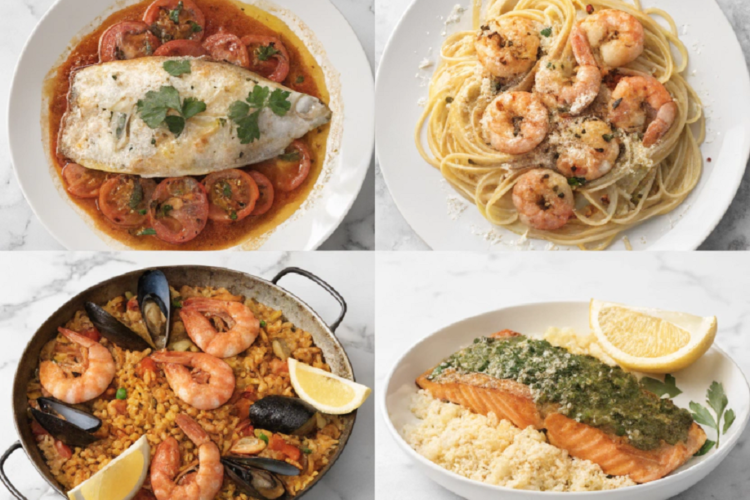
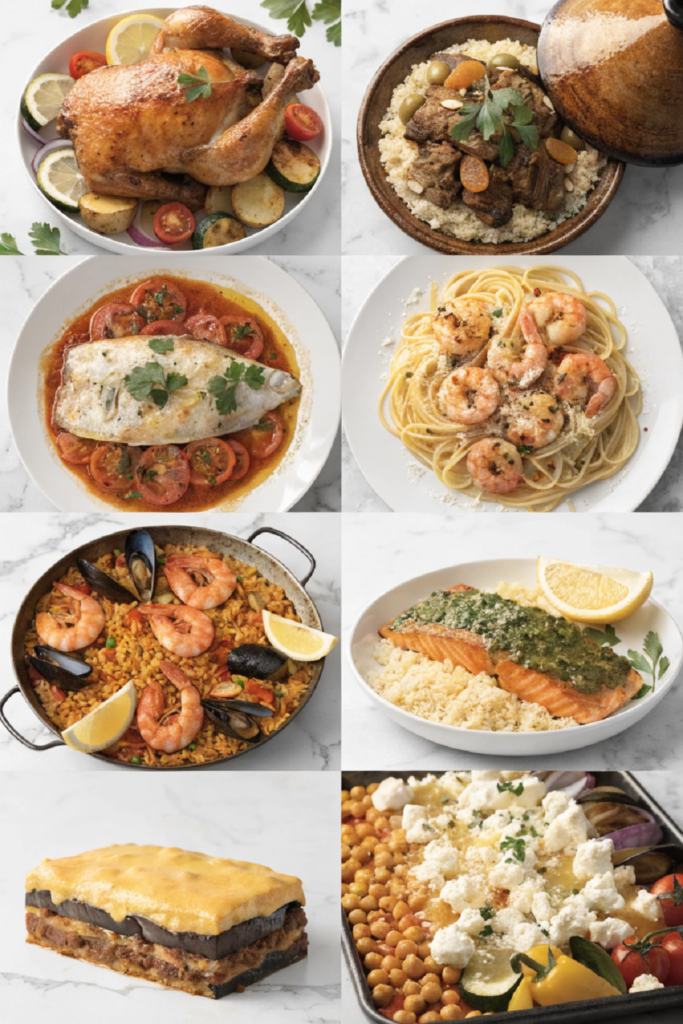
The 15 dinner recipes in this guide cover everything from quick weeknight meals ready in 30 minutes to more leisurely weekend dishes that are worth every minute of effort. They pull from across the Mediterranean world, Greece, Italy, Morocco, Turkey, Lebanon, Spain, and more, bringing the best flavors from sun-drenched coastlines and mountain villages right to your dinner table.
So pour yourself a glass of something nice, turn on some good music, and let’s make dinner the best part of your day.
1. One-Pan Lemon Herb Roasted Chicken with Vegetables
Let’s start with an absolute classic, a dish that’s been feeding families across the Mediterranean for generations, and for very good reason. Roasted chicken is one of those magical dinners that makes your entire home smell incredible, requires minimal active effort, and delivers maximum satisfaction.
This version is bright with lemon, fragrant with fresh herbs, and surrounded by a rainbow of roasted vegetables that soak up all those gorgeous pan juices.
What You’ll Need (serves 4):
- 1 whole chicken (about 4 lbs), or 8 bone-in, skin-on chicken thighs
- 4 tablespoons extra virgin olive oil, divided
- Juice and zest of 2 lemons
- 6 cloves garlic, minced
- 2 teaspoons dried oregano
- 1 teaspoon dried thyme
- 1 teaspoon smoked paprika
- Salt and pepper to taste
- 1 lb baby potatoes, halved
- 2 zucchini, sliced into thick rounds
- 1 red onion, cut into wedges
- 1 cup cherry tomatoes
- 1 bell pepper, cut into chunks
- 1/4 cup fresh parsley, chopped
- Lemon slices for serving
How to Make It:
Preheat your oven to 425°F. In a small bowl, mix together 3 tablespoons olive oil, lemon juice, lemon zest, garlic, oregano, thyme, paprika, salt, and pepper. This simple marinade is doing a lot of heavy lifting; it’s punchy, aromatic, and absolutely transforms the chicken.
Toss the potatoes, zucchini, red onion, bell pepper, and cherry tomatoes with the remaining tablespoon of olive oil, salt, and pepper. Spread them in a large roasting pan or sheet pan.
If using a whole chicken, pat it completely dry (this is crucial for crispy skin), then rub the herb marinade all over the bird, inside the cavity, under the skin, everywhere. Nestle the chicken on top of the vegetables. If using chicken thighs, arrange them skin-side up over the vegetables and pour the marinade over everything.
Roast for 45-60 minutes for a whole chicken (or 35-40 minutes for thighs) until the skin is deeply golden and crispy and the juices run clear. Let it rest for 10 minutes before carving.
Scatter fresh parsley over everything and serve with lemon slices for squeezing.
The pan drippings: Don’t you dare throw those away. That liquid gold at the bottom of the pan, concentrated chicken juices, lemon, garlic, and herb-infused oil, is the most delicious sauce you’ll ever taste. Spoon it generously over everything.
2. Slow-Cooked Moroccan Lamb Tagine
If you’ve never made a tagine before, get ready, this is about to become your favorite dinner party dish. A tagine is a Moroccan slow-cooked stew named after the conical clay pot it’s traditionally made in, but a regular Dutch oven works beautifully. The long, slow cooking time transforms tough lamb into something so impossibly tender it practically melts, and the combination of warm spices, dried fruit, and olives creates a flavor profile that is unlike anything else.
This is weekend cooking at its finest. Put it on early, let it fill your house with the most incredible smell, and feel like a complete culinary genius by dinnertime.
What You’ll Need (serves 4-6):
- 2 lbs bone-in lamb shoulder, cut into 2-inch pieces
- 3 tablespoons olive oil
- 1 large onion, grated or finely diced
- 4 cloves garlic, minced
- 1 tablespoon fresh ginger, grated
- 2 teaspoons cumin
- 2 teaspoons coriander
- 1 1/2 teaspoons cinnamon
- 1 teaspoon turmeric
- 1 teaspoon paprika
- 1/2 teaspoon cayenne pepper
- 1 can (14 oz) diced tomatoes
- 1 cup chicken or lamb broth
- 1/2 cup dried apricots, halved
- 1/3 cup green olives
- 1 tablespoon honey
- Salt and pepper to taste
- 1/4 cup fresh cilantro and parsley, chopped
- 2 tablespoons toasted slivered almonds
- Couscous or flatbread for serving
How to Make It:
Season the lamb generously with salt and pepper. Heat olive oil in a large Dutch oven over medium-high heat. Brown the lamb in batches. Don’t crowd the pan until deeply seared on all sides, about 4-5 minutes per batch. Remove and set aside. This step is non-negotiable. Browning creates flavor that you absolutely cannot skip.
Reduce the heat to medium and sauté the onion in the same pot for 5 minutes. Add the garlic and ginger, cooking for another minute. Add all the spices and stir for 30 seconds until the most incredible smell fills your kitchen. Add the tomatoes, broth, apricots, olives, and honey. Return the lamb to the pot and stir to combine.
Bring to a boil, then cover, reduce heat to very low, and simmer for 1.5 to 2 hours until the lamb is fall-apart tender. Alternatively, cook in a 325°F oven for the same amount of time.
Taste and adjust seasoning. Serve over fluffy couscous, garnished with fresh herbs and toasted almonds.
The leftovers are even better. Make this on Saturday and enjoy it again on Sunday, the flavors deepen overnight in a way that’s genuinely magical.
3. Greek Baked Fish (Plaki) with Tomatoes and Olive Oil
Fish is the heart of Mediterranean cooking, especially along the coastlines of Greece. Plaki fish baked low and slow in olive oil with tomatoes, onions, and herbs is one of the most beloved Greek preparations, and once you taste it, you’ll understand why. The fish becomes impossibly silky and flavorful, surrounded by a rustic tomato sauce that you’ll want to eat with a spoon.
What You’ll Need (serves 4):
- 4 fish fillets (cod, halibut, sea bass, or snapper work beautifully, a bout 6 oz each)
- 1/3 cup extra virgin olive oil, plus extra for drizzling
- 1 large onion, thinly sliced
- 4 cloves garlic, thinly sliced
- 1 can (14 oz) diced tomatoes
- 2 ripe tomatoes, sliced
- 1/2 cup white wine (or vegetable broth)
- 1 teaspoon dried oregano
- 1/2 teaspoon paprika
- Juice of 1 lemon
- 1/2 cup fresh parsley, chopped
- Salt and pepper to taste
- Crusty bread for serving
How to Make It:
Preheat your oven to 375°F. Heat olive oil in a large oven-safe skillet or baking dish over medium heat. Sauté the onion until soft and translucent, about 8 minutes. Add the garlic and cook for another minute. Pour in the white wine and let it bubble for 2 minutes. Add the canned tomatoes, oregano, paprika, and half the parsley. Simmer for 5 minutes and season with salt and pepper.
Season the fish fillets with salt, pepper, and lemon juice. Nestle them into the tomato sauce. Arrange fresh tomato slices on top of each fillet. Drizzle generously with more olive oil.
Bake for 20-25 minutes depending on the thickness of your fish, until the fish flakes easily with a fork,k and the sauce is bubbling and fragrant.
Scatter the remaining parsley over the top and serve directly from the baking dish with plenty of crusty bread.
The olive oil is not optional here. This dish relies on a generous amount of good-quality olive oil to create its silky, rich sauce. This is not the time to be shy about it.
4. Spaghetti Aglio e Olio with Shrimp
Italian in origin, this dish is the perfect example of Mediterranean cooking philosophy: take a few excellent ingredients, treat them with respect, and let them shine. Spaghetti aglio e olio, garlic and olive oil spaghetti, is one of the most beloved late-night dishes in Italy, thrown together in 20 minutes with pantry staples. Adding shrimp turns it into a proper dinner that feels effortlessly elegant.
What You’ll Need (serves 4):
- 12 oz spaghetti (or linguine)
- 1 lb large shrimp, peeled and deveined
- 1/3 cup extra virgin olive oil, plus more for finishing
- 8 cloves garlic, very thinly sliced (yes, eight, this is an aglio e olio situation)
- 1/2 teaspoon red pepper flakes (adjust to taste)
- 1/2 cup fresh parsley, finely chopped
- Zest and juice of 1 lemon
- 1/2 cup pasta cooking water (save this, as it’s liquid gold)
- Salt and black pepper to taste
- Freshly grated Parmesan or Pecorino Romano for serving
How to Make It:
Cook the spaghetti in very well-salted boiling water until just al dente; it should have a slight bite. Before draining, scoop out at least 1 cup of the starchy pasta cooking water. Drain and set aside.
While the pasta cooks, heat olive oil in a large skillet over medium-low heat. Add the garlic slices and cook very slowly and gently, stirring occasionally, until they turn golden and fragrant, about 8-10 minutes. Low and slow is the key here. Burned garlic is bitter and will ruin the dish. You want it nutty and golden, not brown and acrid.
Add the red pepper flakes and cook for 30 seconds. Increase the heat to medium-high, add the shrimp, and cook for 2-3 minutes per side until pink and just cooked through. Season with salt and pepper.
Add the drained pasta to the skillet along with a good splash of pasta water (about 1/2 cup). Toss the starchy water vigorously to emulsify with the olive oil to create a silky sauce that coats every strand of pasta. Add the lemon zest, lemon juice, and parsley. Toss again, adding more pasta water if needed.
Serve immediately with a drizzle of your best olive oil and plenty of grated cheese.
5. Turkish Stuffed Eggplant (Imam Bayildi)
The name “Imam Bayildi” translates to “the imam fainted,” supposedly because a Turkish imam was so overwhelmed by the deliciousness of this dish that he passed out. Whether or not that’s true, it tells you everything you need to know about how good this is.
Silky, oven-roasted eggplant stuffed with a fragrant mixture of onions, tomatoes, garlic, and herbs, then drowned in olive oil and baked until completely and utterly tender. This is one of the greatest vegetarian dinner dishes in the entire Mediterranean culinary tradition.
What You’ll Need (serves 4):
- 4 medium eggplants
- 1/2 cup extra virgin olive oil, divided (yes, this much olive oil is the point)
- 2 large onions, thinly sliced
- 6 cloves garlic, thinly sliced
- 4 ripe tomatoes, diced (or 1 can diced tomatoes, drained)
- 1 green bell pepper, finely diced
- 1 teaspoon cumin
- 1/2 teaspoon cinnamon
- 1/2 teaspoon allspice
- 2 tablespoons tomato paste
- 1 teaspoon sugar
- 1/2 cup fresh parsley, chopped
- Salt and pepper to taste
- Juice of 1 lemon
- 1 cup water or tomato juice (for the baking pan)
- Greek yogurt for serving
How to Make It:
Preheat your oven to 375°F. Slice the eggplants in half lengthwise, leaving the stems intact for presentation. Score the flesh in a crosshatch pattern without cutting through the skin. Brush generously with 3 tablespoons of olive oil, season with salt, and arrange cut-side up in a large baking dish. Pre-bake for 20 minutes until the flesh begins to soften.
Meanwhile, heat 3 tablespoons olive oil in a large skillet over medium heat. Sauté the onions for 10-12 minutes until very soft and beginning to caramelize. Add the garlic, bell pepper, cumin, cinnamon, and allspice, cooking for another 2 minutes. Add the tomatoes, tomato paste, sugar, and half the parsley. Season generously and cook for 5-8 minutes until the mixture is thick and jammy.
Remove the eggplants from the oven. Use a spoon to gently push the pre-baked flesh to the sides, creating a channel down the middle. Fill each eggplant generously with the tomato filling. Drizzle the remaining olive oil over everything. Pour the water or tomato juice into the bottom of the baking dish.
Cover tightly with foil and bake for 45 minutes. Remove the foil and bake for another 15 minutes until the eggplants are completely collapsed and silky. Squeeze lemon juice over the top and scatter the remaining parsley.
Serve warm or at room temperature with Greek yogurt and bread. This dish is phenomenal. The next day, I make it ahead without hesitation.
6. Spanish Seafood Paella
Paella might be the most festive dish in the Mediterranean canon. It’s the dish you make when you want to celebrate something, impress someone, or simply honor the fact that it’s Friday and you’ve made it through another week. It looks like a restaurant showpiece but is completely achievable at home with a little patience and the right technique.
What You’ll Need (serves 4-6):
- 2 tablespoons olive oil
- 1 onion, finely diced
- 1 red bell pepper, diced
- 1 green bell pepper, diced
- 4 cloves garlic, minced
- 2 cups paella rice (Bomba or Calasparra) or short-grain rice
- 1/2 cup white wine
- 4 cups warm seafood or chicken broth
- 1 can (14 oz) diced tomatoes, drained
- 1/2 teaspoon saffron threads, dissolved in 2 tablespoons warm water
- 1 teaspoon smoked paprika
- 1/2 teaspoon turmeric (if you don’t have saffron)
- Salt and pepper to taste
- 1/2 lb large shrimp, peeled and deveined
- 1/2 lb mussels, scrubbed and debearded
- 1/2 lb clams, scrubbed
- 1/2 lb squid rings (optional)
- 1/2 cup frozen peas
- Fresh parsley and lemon wedges for serving
How to Make It:
Heat olive oil in a large paella pan or wide, shallow skillet over medium heat. Sauté the onion and peppers for 8 minutes until softened. Add the garlic and cook for 1 minute. Add the tomatoes and cook for another 5 minutes until the mixture is thick.
Add the rice and stir to coat with the oil and vegetable mixture for 2 minutes. Pour in the white wine and let it absorb completely. Add the warm broth, saffron water, smoked paprika, salt, and pepper. Stir once to distribute everything evenly, then, and this is important, don’t stir again. Ever. This is how you get the coveted socarrat (the crispy rice crust at the bottom of the pan).
Bring to a boil, then reduce the heat to medium-low. Cook uncovered for about 15 minutes. Nestle the shrimp, mussels, clams, and squid into the rice. Scatter the peas on top. Cover loosely with foil and cook for another 10 minutes until the seafood is cooked through, the mussels and clams have opened, and the rice is tender.
Increase the heat to medium-high for the last 2 minutes to develop the socarrat. You’ll hear a slight crackling that’s the sound of dinner perfection.
Remove from heat and let rest for 5 minutes. Garnish with fresh parsley and lemon wedges and bring the whole pan to the table.
The socarrat is the prize. The crispy, slightly caramelized rice at the very bottom of the pan is considered the best part by serious paella lovers. Don’t scrape it off, scoop it up, and distribute it among the bowls.
7. Grilled Salmon with Chermoula Sauce
Chermoula is a North African herb sauce, somewhere between a marinade and a condiment, that is absolutely extraordinary on fish. Made with fresh herbs, garlic, lemon, cumin, and paprika, it’s bright and complex and herbaceous and just a little bit spicy. Slather it on salmon, throw it on the grill, and dinner is ready in 20 minutes.
What You’ll Need (serves 4):
- 4 salmon fillets (about 6 oz each), skin on
For the Chermoula:
- 1 cup fresh cilantro, packed
- 1/2 cup fresh parsley, packed
- 4 cloves of garlic
- Juice and zest of 1 lemon
- 2 tablespoons olive oil
- 1 teaspoon cumin
- 1 teaspoon paprika
- 1/2 teaspoon coriander
- 1/4 teaspoon cayenne pepper
- 1/4 teaspoon turmeric
- Salt to taste
- 2 tablespoons water (to help it blend)
For Serving:
- Couscous or roasted vegetables
- Lemon wedges
- Extra chermoula for drizzling
How to Make It:
Make the chermoula by blending all the sauce ingredients in a food processor until you have a thick, vibrantly green paste. Taste and adjust the seasoning; it should be punchy, herby, and bright.
Reserve half the chermoula for serving. Rub the remaining half generously over the salmon fillets. If you have time, let them marinate for 30 minutes (or up to 4 hours in the fridge). The flavors really penetrate the fish.
Grill or pan-sear the salmon over medium-high heat for 4-5 minutes per side until cooked to your liking. The chermoula will caramelize beautifully on the outside.
Serve over couscous with extra chermoula drizzled on top and lemon wedges on the side.
Don’t have salmon? Chermoula works brilliantly on any fish; white fish like cod, sea bass, or tilapia are all great options. It’s also incredible on grilled chicken or roasted cauliflower steaks.
8. Italian Ribollita (Tuscan Bread Soup)
Ribollita means “reboiled” in Italian. This is peasant food at its finest, originally made by reheating leftover minestrone the next day with stale bread stirred in. The bread breaks down and thickens the soup into something so hearty and comforting that you’ll never think of it as humble. This is sophisticated simplicity. This is Tuscany in a bowl.
What You’ll Need (serves 6):
- 3 tablespoons olive oil, plus more for finishing
- 1 onion, diced
- 2 carrots, diced
- 3 stalks celery, diced
- 4 cloves garlic, minced
- 1 can (14 oz) diced tomatoes
- 2 cans (15 oz each) cannellini beans, drained (mash one can roughly)
- 4 cups vegetable or chicken broth
- 1 bunch Lacinato (Tuscan) kale, stems removed and leaves roughly chopped
- 1 medium zucchini, diced
- 2 sprigs fresh rosemary
- 2 sprigs fresh thyme
- 1 Parmesan rind (optional but magical)
- 4-6 slices day-old crusty bread, torn into chunks
- Salt, pepper, and red pepper flakes to taste
- Fresh Parmesan for serving
How to Make It:
Heat olive oil in a large Dutch oven over medium heat. Sauté the onion, carrots, and celery for 8-10 minutes until very soft. Take your time here; this base is the foundation of the soup’s flavor. Add the garlic and cook for another minute.
Add the diced tomatoes, beans, broth, zucchini, kale, rosemary, thyme, and Parmesan rind if using. Season with salt, pepper, and red pepper flakes. Bring to a boil, then reducethe heat andd simmer for 25-30 minutes until everything is tender and the flavors have melded beautifully.
Stir in the torn bread. Here’s where the magic happens: the bread absorbs the broth and breaks down, creating a thick, porridge-like consistency that’s completely unique to this dish. You can leave it a little brothy or let the bread break down completely for a thicker soup. Your call.
Remove the herb sprigs and Parmesan rind. Ladle into bowls, drizzle generously with your best olive oil, and shower with freshly grated Parmesan.
The next day: True ribollita is even better on day two, reheated (reboiled!) in a pot with a splash of water or broth. The flavors deepen, and the texture becomes even more luscious. Make a huge pot and eat it all week.
9. Chicken Souvlaki with Greek Rice Pilaf
Souvlaki is Greece’s answer to fast food,d and it absolutely crushes anything from a drive-through window. Marinated, grilled chicken skewers served with fluffy rice pilaf, a simple cucumber salad, and tzatziki sauce. It’s the kind of dinner that makes everyone happy, including the picky eaters.
What You’ll Need (serves 4):
For the Souvlaki:
- 2 lbs boneless, skinless chicken thighs or breasts, cut into 1.5-inch cubes
- 1/3 cup olive oil
- Juice and zest of 1 lemon
- 4 cloves garlic, minced
- 2 teaspoons dried oregano
- 1 teaspoon paprika
- Salt and pepper to taste
- Wooden skewers, soaked in water for 30 minutes
For the Greek Rice Pilaf:
- 1 1/2 cups long-grain white rice
- 2 tablespoons olive oil
- 1/2 onion, finely diced
- 2 cloves garlic, minced
- 2 1/2 cups chicken broth
- 1/4 cup fresh dill, chopped
- Juice of 1/2 lemon
- Salt and pepper to taste
For Serving:
- Tzatziki sauce (see the lunch article for the recipe!)
- Sliced tomatoes and cucumber
- Warm pita bread
- Lemon wedges
How to Make It:
Combine all the souvlaki marinade ingredients in a bowl or zip-lock bag. Add the chicken, toss to coat, and marinate for at least 1 hour or overnight, which is even better. Thread the marinated chicken onto the soaked skewers.
For the pilaf, heat olive oil in a saucepan over medium heat. Sauté the onion for 5 minutes until soft, then add the garlic and cook for 1 minute. Add the rice and stir for 2 minutes to toast it lightly. Pour in the chicken broth and season with salt. Bring to a boil, then cover and reduce heat to low. Cook for 18 minutes. Remove from heat and let steam, covered, for 5 minutes. Fluff with a fork and stir in fresh dill and lemon juice.
Grill the chicken skewers over medium-high heat for about 10-12 minutes, turning occasionally, until nicely charred and cooked through.
Serve everything together on a big platter. Pile the rice, arrange the skewers on top, dollop tzatziki alongside, and lay out the vegetables and pita. Let everyone build their own plate.
10. Baked Cod with Kalamata Olives, Capers, and Tomatoes
This is the weeknight dinner hero you’ve been looking for. It comes together in about 30 minutes, requires almost no effort, uses simple pantry ingredients, and tastes like something you’d order at a waterfront restaurant in Santorini. The combination of briny olives, salty capers, sweet tomatoes, and tender flaky cod is nothing short of magnificent.
What You’ll Need (serves 4):
- 4 cod fillets (about 6 oz each)
- 3 tablespoons olive oil, divided
- 1 pint cherry tomatoes
- 1/2 cup Kalamata olives, pitted and halved
- 3 tablespoons capers, drained
- 4 cloves garlic, thinly sliced
- 1/2 cup white wine or vegetable broth
- 1 teaspoon dried oregano
- 1/2 teaspoon red pepper flakes
- Salt and pepper to taste
- 1/4 cup fresh basil, torn
- Juice of 1 lemon
- Crusty bread or roasted potatoes for serving
How to Make It:
Preheat your oven to 400°F. In a large oven-safe skillet, heat 2 tablespoons olive oil over medium heat. Add the garlic and cook for 1 minute. Add the cherry tomatoes and cook for 3-4 minutes until they begin to burst and release their juices. Pour in the white wine and let it bubble for 2 minutes. Add the olives, capers, oregano, and red pepper flakes. Season with salt and pepper.
Pat the cod fillets dry and season with salt and pepper. Nestle them into the tomato mixture. Drizzle with the remaining tablespoon of olive oil.
Transfer to the oven and bake for 15-20 minutes until the cod is opaque and flakes easily with a fork. Squeeze lemon juice over everything and scatter fresh basil on top.
Serve straight from the skillet with crusty bread for soaking up that incredible briny, tomatoey sauce.
11. Lebanese Kafta Kebabs with Fattoush Salad
Kafta are spiced ground meat kebabs that are a staple of Lebanese cooking. Seasoned with onion, fresh herbs, and a beautiful blend of warm spices, they’re incredibly flavorful and can be grilled, pan-fried, or baked. Paired with crunchy, tangy fattoush salad, this dinner is a complete Lebanese feast.
What You’ll Need (serves 4):
For the Kafta:
- 1 lb ground lamb (or ground beef, or a mix)
- 1 small onion, grated
- 1/2 cup fresh parsley, very finely chopped
- 2 cloves garlic, minced
- 1 teaspoon cumin
- 1 teaspoon coriander
- 1/2 teaspoon cinnamon
- 1/2 teaspoon allspice
- 1/4 teaspoon cayenne pepper
- 1 teaspoon salt
- 1/2 teaspoon black pepper
For the Fattoush:
- 2 whole wheat pita breads, torn into pieces and toasted until crispy
- 2 cups romaine lettuce, roughly chopped
- 1 cup cherry tomatoes, halved
- 1 cucumber, diced
- 1/2 cup radishes, thinly sliced
- 1/4 cup fresh mint, torn
- 1/4 cup fresh parsley
- 3 scallions, sliced
- 1/4 cup purslane (optional but traditional)
For the Fattoush Dressing:
- 3 tablespoons olive oil
- 2 tablespoons lemon juice
- 1 tablespoon pomegranate molasses
- 1 clove garlic, minced
- 1 teaspoon sumac
- Salt and pepper to taste
How to Make It:
Combine all the kafta ingredients in a bowl and mix thoroughly. Use your hands for this. The mixture needs to be well-combined so the kebabs hold together. Form the mixture around flat skewers (or just shape into elongated oval patties if you don’t have skewers). Refrigerate for 30 minutes to firm up.
Whisk together all the dressing ingredients. Combine the salad vegetables and herbs in a large bowl.
Grill or pan-fry the kafta over medium-high heat for about 4-5 minutes per side until cooked through with a gorgeous char on the outside.
Right before serving, add the toasted pita pieces to the salad, pour the dressing over everything, and toss. (Add the pita at the last minute so it stays slightly crunchy.)
Serve the kafta alongside the fattoush with a side of hummus or tzatziki and warm pita bread.
12. Pasta Puttanesca
Named for the bold women of Naples who supposedly invented it, puttanesca is one of those sauces that’s so much more than the sum of its parts. Tomatoes, garlic, olives, capers, anchovies, and a punch of red pepper flakes all simmered together into a sauce that’s intensely savory, briny, salty, and completely addictive.
And it comes together in 25 minutes. On a Tuesday. This is the dinner that will save you.
What You’ll Need (serves 4):
- 12 oz spaghetti or linguine
- 3 tablespoons olive oil
- 4 cloves garlic, thinly sliced
- 4-6 anchovy fillets (don’t skip these, they melt into the sauce and add incredible depth, not fishiness)
- 1/2 teaspoon red pepper flakes
- 1 can (28 oz) crushed tomatoes
- 1/2 cup Kalamata olives, roughly chopped
- 3 tablespoons capers, drained
- 1 teaspoon dried oregano
- Salt and pepper to taste
- Fresh parsley, chopped
- Parmesan or Pecorino Romano for serving (optional purists skip the cheese with seafood-based sauces)
How to Make It:
Cook the pasta in well-salted boiling water until al dente. Save 1 cup of pasta water before draining.
While the pasta cooks, heat olive oil in a large skillet over medium heat. Add the garlic and anchovies. Use a wooden spoon to break up the anchovies as they cook, so they’ll completely dissolve into the oil within 2-3 minutes, creating the most incredible savory base. Add the red pepper flakes and cook for 30 seconds.
Pour in the crushed tomatoes and stir in the olives, capers, and oregano. Simmer for 10-15 minutes until the sauce thickens and the flavors concentrate. Season with salt and pepper,r taste first before adding salt, as the anchovies and capers are already quite salty.
Add the drained pasta to the sauce and toss vigorously, adding splashes of pasta water to loosen the sauce as needed. Scatter fresh parsley on top.
This sauce requires no cheese, no cream, no fuss. It’s perfect exactly as it is.
13. Roasted Cauliflower Steaks with Romesco Sauce
Here’s a vegetarian dinner that absolutely nobody will complain about, including the most dedicated meat eaters at your table. Thick cauliflower steaks, roasted at high heat until caramelized and nutty, served on a pool of Romesco,o the gorgeous Spanish sauce made from roasted red peppers, almonds, and tomatoes. It’s stunning to look at, incredibly flavorful, and completely satisfying.
What You’ll Need (serves 4):
For the Cauliflower Steaks:
- 2 large heads cauliflower
- 3 tablespoons olive oil
- 1 teaspoon smoked paprika
- 1 teaspoon garlic powder
- 1/2 teaspoon cumin
- Salt and pepper to taste
- Fresh parsley and lemon wedges for serving
For the Romesco Sauce:
- 1 jar (12 oz) roasted red peppers, drained
- 1/2 cup almonds, toasted
- 2 cloves garlic
- 1 slice whole grain bread, toasted
- 2 tablespoons tomato paste
- 2 tablespoons of sherry vinegar, whole-grain vinegar
- 1 teaspoon smoked paprika
- 1/4 teaspoon cayenne
- 1/3 cup olive oil
- Salt to taste
For Serving:
- 1 can (15 oz) white beans, warmed (optional, for extra protein)
- Toasted almonds for garnish
- Crumbled goat cheese or feta (optional)
How to Make It:
Make the Romesco first, and add all the sauce ingredients except the olive oil to a food processor. Pulse until roughly combined. With the machine running, drizzle in the olive oil until you get a thick, slightly chunky sauce. Taste and adjust seasoning. This sauce is extraordinary and can be made days ahead.
Preheat your oven to 425°F. Remove the outer leaves from the cauliflower and cut each head into 2-3 thick steaks (about 1 inch thick) by cutting straight down through the core. The outer pieces will crumble; roast those too. They’re delicious.
Mix the olive oil with smoked paprika, garlic powder, cumin, salt, and pepper. Brush both sides of each cauliflower steak generously with this mixture. Arrange on a baking sheet and roast for 20-25 minutes, flipping halfway, until deeply golden and caramelized on both sides.
To serve, spread a generous pool of Romesco on each plate. Place a cauliflower steak on top. Add warm white beans alongside if using. Scatter toasted almonds and crumbled cheese on top. Finish with fresh parsley and a squeeze of lemon.
14. Greek Moussaka
Moussaka is the crown jewel of Greek cooking: layers of silky eggplant, spiced meat sauce, and creamy béchamel, baked until golden and bubbling. It takes a bit of time and love, but it is one of the most spectacular things you will ever put on a dinner table. This is the dish you make when you really want to show off.
What You’ll Need (serves 6-8):
For the Eggplant:
- 3 large eggplants, sliced into 1/3-inch rounds
- Olive oil for brushing
- Salt
For the Meat Sauce:
- 2 tablespoons olive oil
- 1 large onion, finely diced
- 4 cloves garlic, minced
- 1.5 lbs ground lamb (or beef)
- 1 can (14 oz) crushed tomatoes
- 2 tablespoons tomato paste
- 1/2 cup red wine
- 1 teaspoon cinnamon
- 1/2 teaspoon allspice
- 1/4 teaspoon nutmeg
- 1 teaspoon dried oregano
- Salt and pepper to taste
For the Béchamel:
- 4 tablespoons butter
- 4 tablespoons all-purpose flour
- 2 1/2 cups warm whole milk
- 2 eggs, beaten
- 1/2 cup grated Parmesan or Kefalotyri cheese
- Pinch of nutmeg
- Salt and white pepper to taste
How to Make It:
Start by salting the eggplant slices, lay them out, sprinkle generously with salt, and let them sit for 30 minutes. This draws out moisture and bitterness. Pat is completely dry. Brush with olive oil and broil or roast at 425°F for 15-20 minutes, flipping once, until golden and softened.
Make the meat sauce: Heat olive oil in a large skillet, sauté the onion for 5 minutes, add garlic, then the ground meat. Brown the meat completely, breaking it up well. Add the wine and let it reduce for 2 minutes. Add the crushed tomatoes, tomato paste, cinnamon, allspice, nutmeg, and oregano. Simmer for 20-25 minutes until very thick. Season generously.
Make the béchamel: Melt butter in a saucepan over medium heat. Whisk in the flour and cook for 1-2 minutes. Gradually pour in the warm milk, whisking constantly to prevent lumps. Cook, whisking, until the sauce thickens. Remove from the heat and stir in the beaten eggs and cheese. Season with nutmeg, salt, and white pepper.
Preheat oven to 350°F. In a large baking dish (9×13), layer half the eggplant slices. Spread all the meat sauce evenly on top. Layer the remaining eggplant. Pour the béchamel over everything, spreading it to the edges.
Bake for 45-50 minutes until the top is deeply golden, puffed, and slightly set. Let it rest for at least 20 minutes before cutting. This is crucial for clean slices.
The wait is the hardest part. But cutting into a perfectly rested moussaka, with its distinct layers and creamy top, is one of the most satisfying moments in cooking. It’s worth every minute.
15. Simple Mediterranean Sheet Pan Dinner with Chickpeas, Vegetables, and Feta
We end with the weeknight warrior. No special techniques, no long ingredient list, no cleanup nightmare. Just a sheet pan loaded with colorful vegetables and chickpeas, roasted at high heat until caramelized and crispy, finished with crumbled feta and a drizzle of honey and lemon. It’s the kind of dinner you’ll make on rotation, week after week, because it’s just that easy and just that good.
What You’ll Need (serves 4):
- 2 cans (15 oz each) chickpeas, drained, rinsed, and patted very dry
- 1 red bell pepper, cut into chunks
- 1 yellow bell pepper, cut into chunks
- 1 zucchini, sliced into half-moons
- 1 red onion, cut into wedges
- 1 cup cherry tomatoes
- 3 tablespoons olive oil
- 1 teaspoon cumin
- 1 teaspoon smoked paprika
- 1/2 teaspoon garlic powder
- 1/2 teaspoon dried oregano
- 1/4 teaspoon red pepper flakes
- Salt and pepper to taste
- 4 oz block feta cheese, crumbled or sliced
- 2 tablespoons honey
- Juice of 1 lemon
- Fresh herbs: parsley, mint, or dill
- Warm pita, couscous, or grain of choice for serving
How to Make It:
Preheat your oven to 425°F and line a large sheet pan (or two smaller ones, don’t crowd the pan or everything will steam instead of roast) with parchment paper.
In a large bowl, toss the chickpeas and all the vegetables with olive oil, cumin, paprika, garlic powder, oregano, red pepper flakes, salt, and pepper. Make sure everything is well coated.
Spread everything in a single layer on the prepared sheet pan. Rowell-coated30 minutes, tossing halfway through, until the vegetables are charred at the edges and the chickpeas are crispy and golden.
In the last 5 minutes of roasting, nestle the feta on top of the pan. The heat will soften and lightly warm the cheese.
Remove from the oven and immediately drizzle with honey and squeeze lemon juice over everything. Scatter fresh herbs on top.
Serve straight from the pan over your choice of grain or with warm pita bread for scooping.
Why the dry chickpeas matter: Moisture is the enemy of crispiness. After draining and rinsing your chickpeas, spread them on a clean kitchen towel and rub vigorously to remove as much surface moisture as possible. The drier they go into the oven, the crispier they come out. Worth the extra minute.